Updated

written by
Freddie Sheridan
With over 15 years in the retail design industry, Freddie has a passion for transforming brand narratives into immersive physical spaces.
Most lighting briefs arrive too late. The best retail environments treat light as structure, not finish.
Lighting is one of those decisions that gets made late in a retail project. It arrives after the fixture layout is resolved, after the material palette is confirmed, after the budget has been squeezed. By the time a lighting designer or contractor is briefed, the spatial decisions have already been made. The result is a store lit to a standard rather than lit to a purpose. We are seeing this shift in the brands that are building the most commercially effective environments right now. Lighting is moving into the brief earlier, treated as a structural decision rather than a finishing layer. The difference in trading performance is measurable.
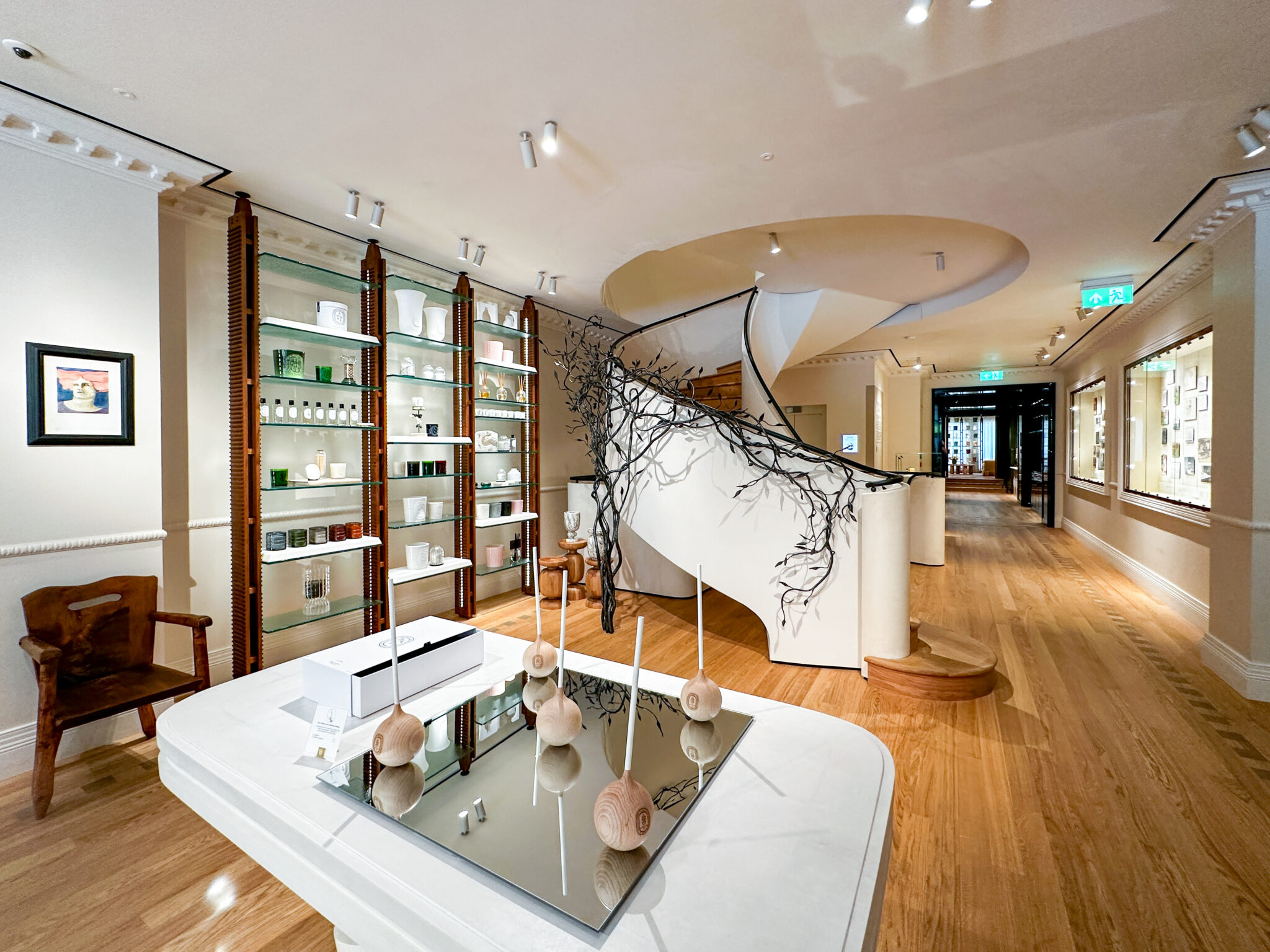
The mechanism is straightforward. Light directs attention before the customer makes a conscious choice. It tells them where to look, where to slow down, and where the brand considers important. A product lit with precision at the right height and angle will be picked up more frequently than the same product in a flat, evenly distributed scheme. This is not aesthetic preference. It is how human attention works under artificial light. Where this breaks down is in the gap between specification and installation. A lighting scheme can be designed with clear commercial intent and then installed in a way that undermines it entirely. Beam angles get substituted. Dimmer settings get left at default. Colour temperature gets changed on site because a particular fitting is out of stock. Each individual compromise seems minor. Collectively, they produce a scheme that performs significantly below what was designed. We have walked floors where the lighting as installed bore little resemblance to the lighting as specified, and the trading data reflected it. The trade-off worth acknowledging is between coverage and contrast. Brands with wide product ranges often default to even, high-level illumination to make everything visible. In practice, making everything equally visible makes nothing feel special. The spaces that convert at the highest rate tend to use contrast deliberately. Hero products and key stories sit in pools of focused light. The surrounding space is allowed to be quieter. The customer's eye is guided rather than left to wander.
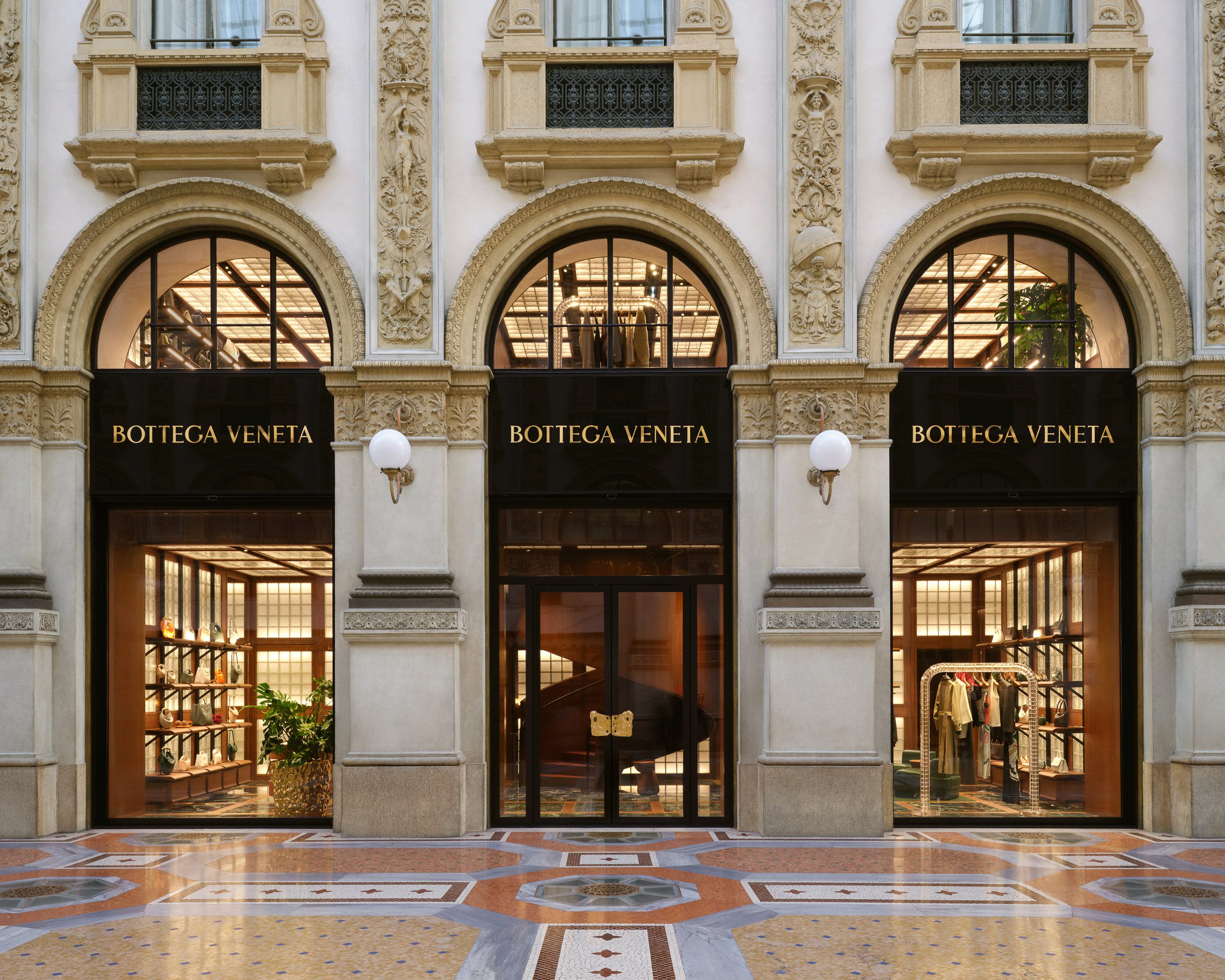
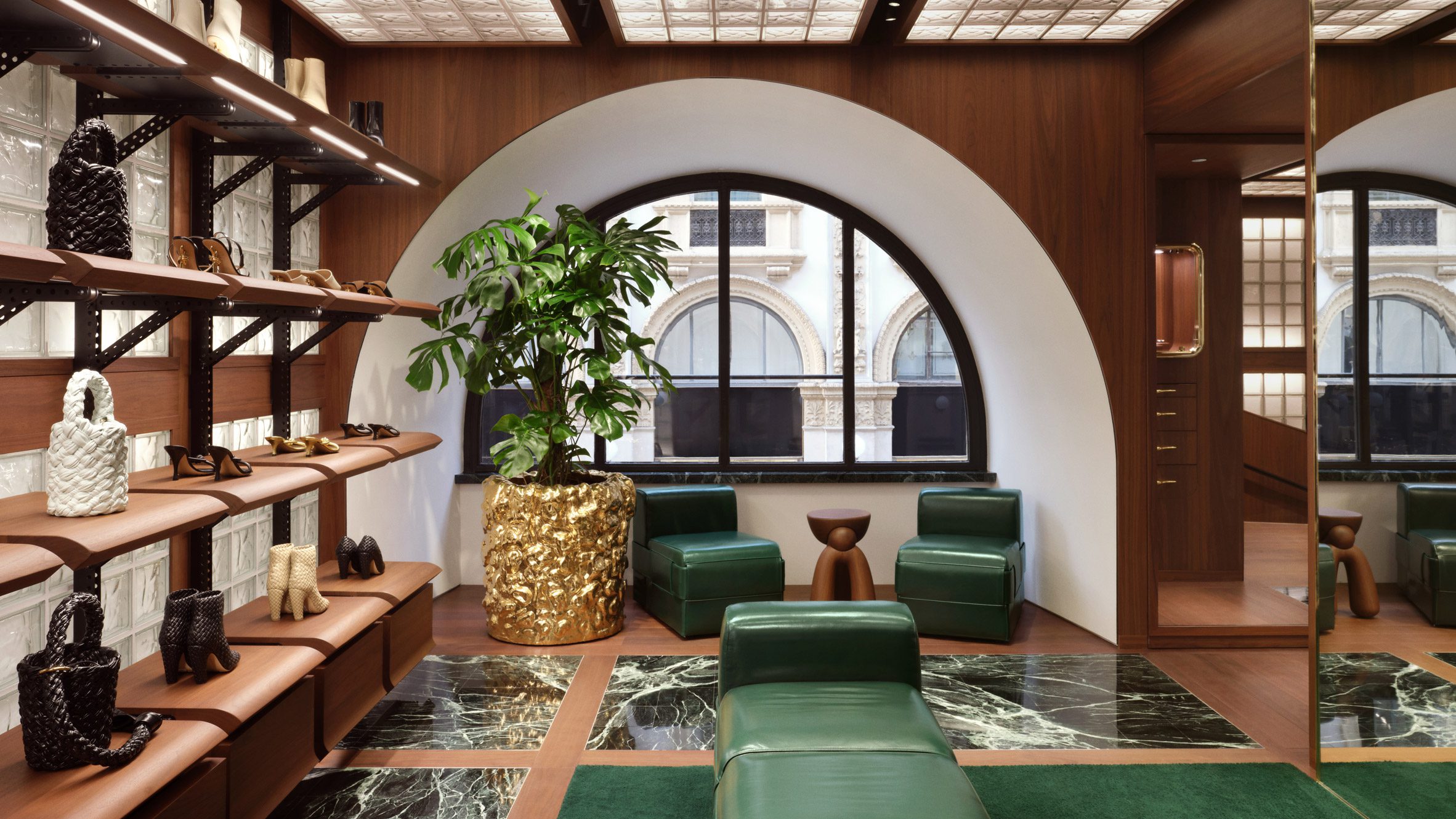
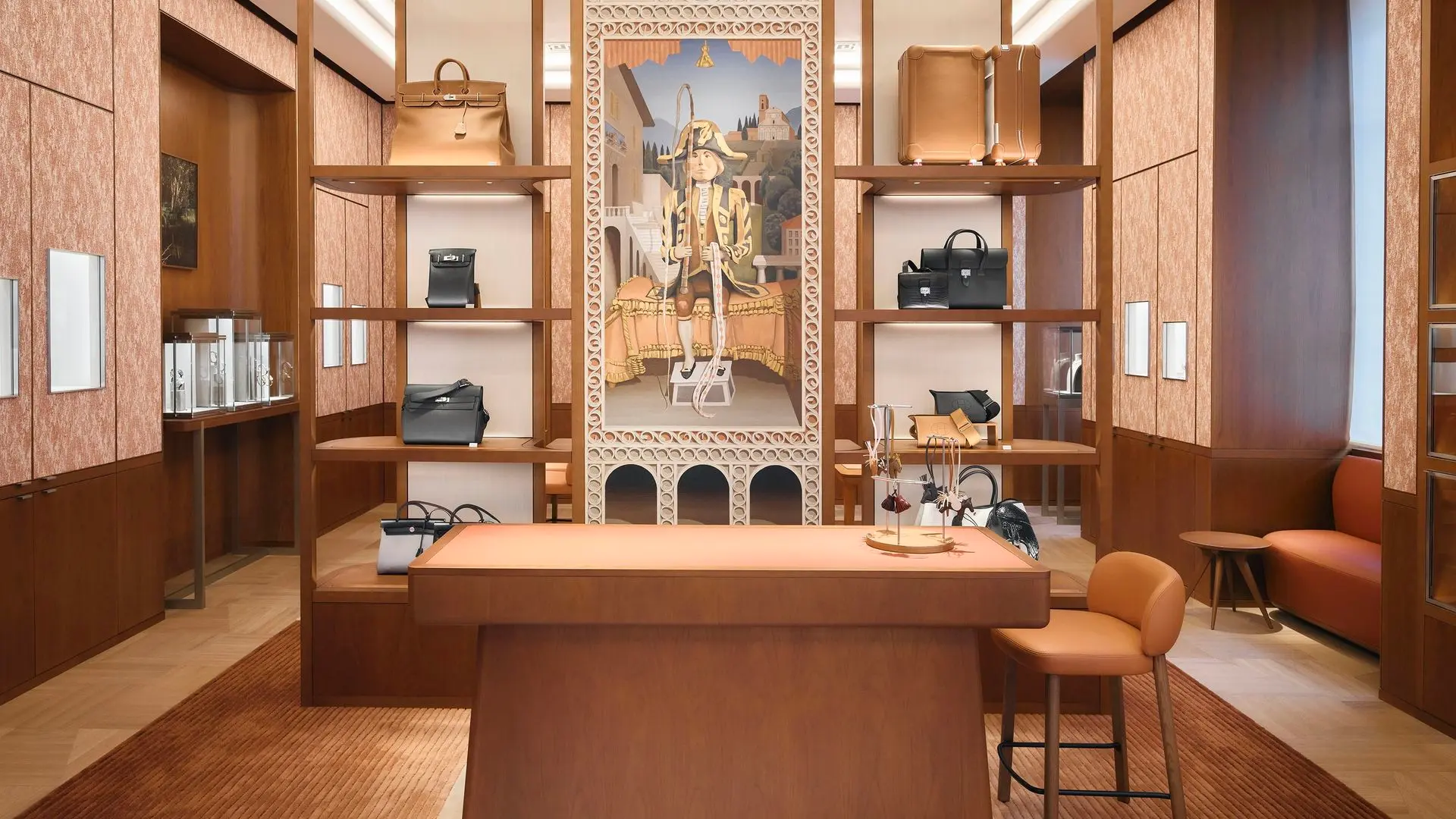
Bottega Veneta's 2024 Galleria Vittorio Emanuele II store in Milan is a useful illustration. The warm walnut shelving and green marble create a deliberate hierarchy, certain surfaces draw the eye, others recede. The customer is guided without being directed. That quality is a lighting decision as much as a material one. The same principle is visible across some of the most considered retail environments open today. Hermès' Florence store on Via degli Strozzi uses gallery-style lighting to draw the eye through a Renaissance building without competing with it. Dior's 57th Street flagship in New York applies focused light to create clear hierarchy across a multi-floor space, guiding the customer from recognition to engagement without a single directional sign. In each case the lighting is doing commercial work, not decorative work.
In our work across beauty, wellness, and luxury retail, the lighting brief that works is one that maps directly to the customer journey. Where does the customer enter? Where do they pause? Where does the first product interaction happen? Where does the conversion moment occur? Each of those points needs a lighting decision, not a lighting standard. The rest of the scheme supports them. The recommendation is simple. Bring lighting into the brief at the same stage as fixture layout, and define it in behavioural terms. Start with what you need the customer to do, and work back from there. A store lit to a purpose will always outperform a store lit to a standard.
"Making everything equally visible makes nothing feel special. The spaces that convert at the highest rate use contrast deliberately."

subscribe for monthly insights
RELATED ARTICLES
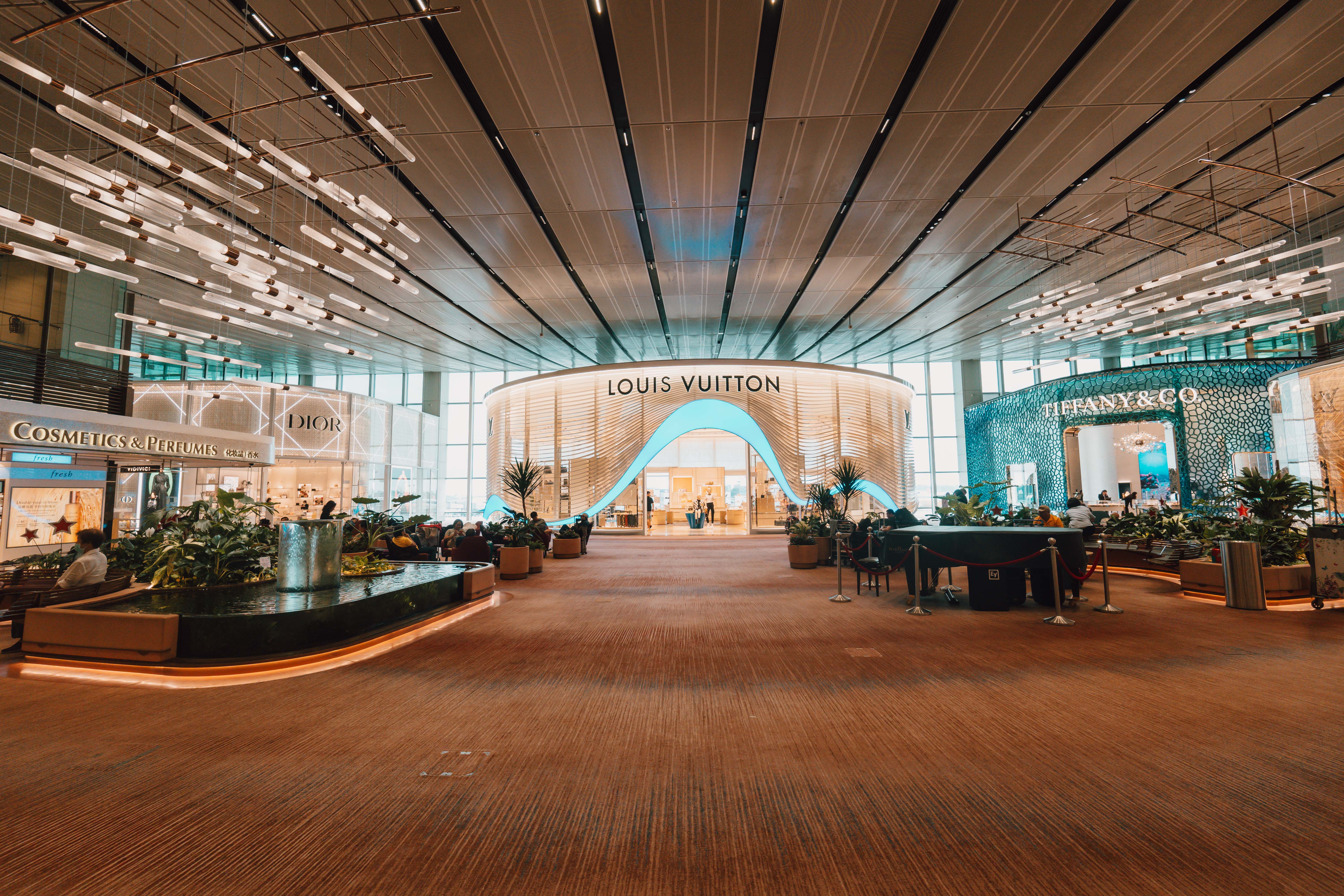
Travel Retail Reimagined: Why Airport Spaces Are Becoming Brand-Defining Moments
Travel retail is no longer just an airport category, it has become one of the most strategically complex and high-value environments in global luxury.
Lighting Is a Commercial Decision, Not a Creative One
Lighting is the most commercially underused tool in retail design. Brands that bring it into the brief early, and define it in terms of customer behaviour rather than technical specification, consistently outperform those that treat it as a finishing decision.
Strategy Before Structure
The strongest retail environments are built on strategic clarity, not aesthetic instinct.