Updated

written by
Freddie Sheridan
With over 15 years in the retail design industry, Freddie has a passion for transforming brand narratives into immersive physical spaces.
Strategic clarity determines whether a retail environment simply looks good, or actually performs.
We see it regularly. A brand invests in a new store, the design is considered, the materials are premium, the layout feels intentional. Six months in, conversion is flat and the team cannot explain why.
The design was fine. The strategy was absent.
Physical retail performs when every decision, the location of a fixture, the depth of a category, the pace of a customer's journey through the space, connects back to a defined commercial objective. When that foundation exists, design becomes a delivery mechanism. When it is missing, design becomes decoration.
In practice, the brands that build consistently high-performing environments start the process differently. Before material selection, before floor plans, they answer harder questions: Where in this space does the customer slow down? Where do they convert? Where do they leave? What role does this location play relative to the brand's wider channel mix?
Those answers shape everything that follows.
Where this breaks down is when strategy is treated as a presentation stage rather than a working framework. A workshop is run, a document is produced, and then the design process begins as if it had not happened. The strategy sits in a deck. The store reflects instinct.
The risk is real. Space that lacks strategic intent tends to underperform its potential by a measurable margin, not because it looks wrong, but because it is doing the wrong job. A flagship trying to convert like a concession. A concession carrying brand weight it cannot support. Investment that compounds the problem rather than resolving it.
The practical recommendation is straightforward: treat the strategic brief as a design tool, not a pre-design formality. The brief should define success in behavioural terms, what the customer does, where, and in what sequence, before a single spatial decision is made.
When strategy leads, design accelerates. Because the team is solving a defined problem rather than responding to aesthetic preference.
Beautiful environments that do not perform are simply expensive.
"Retail design should never begin with a sketch. It should begin with a decision."
SheridanCX
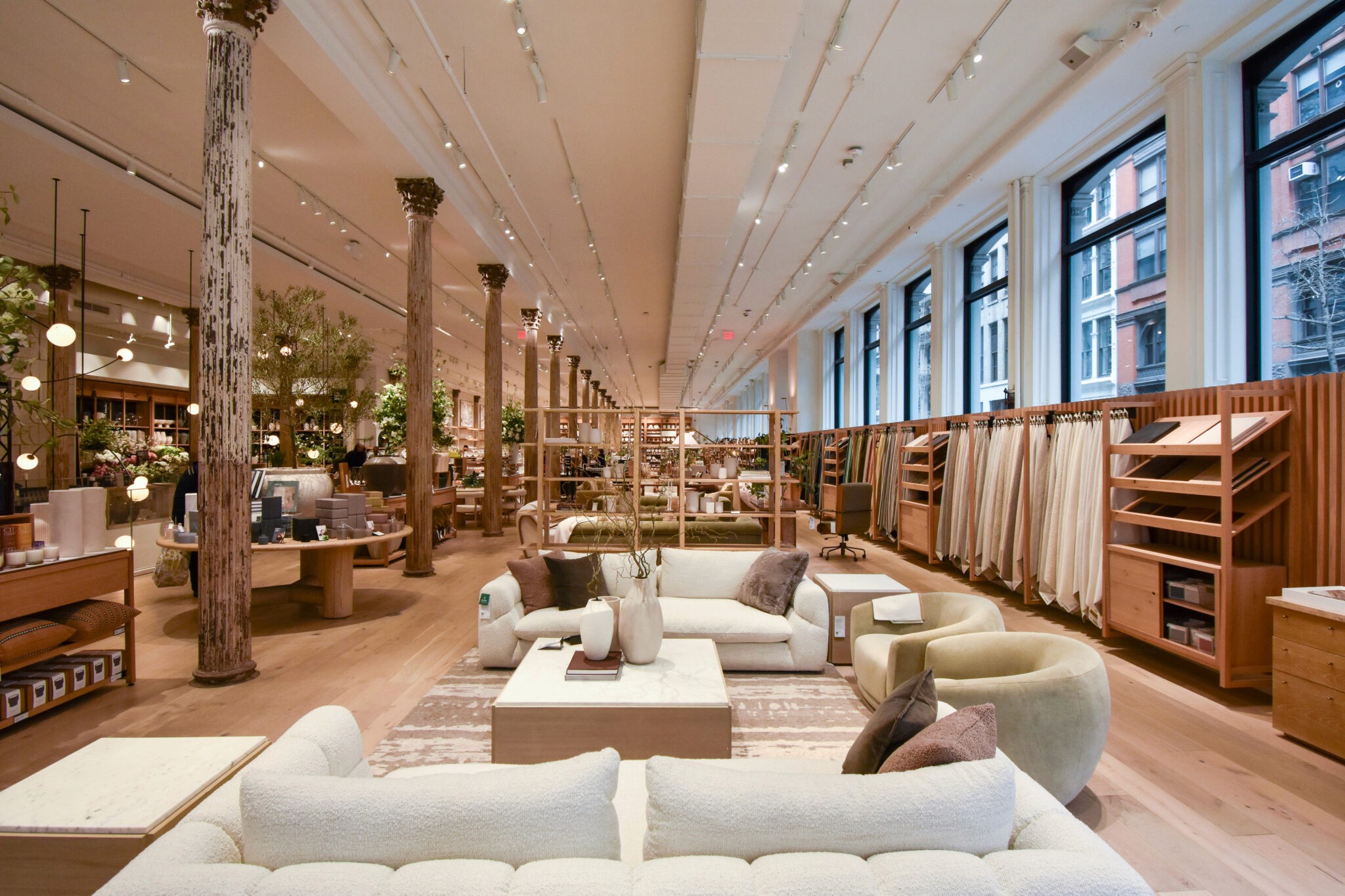
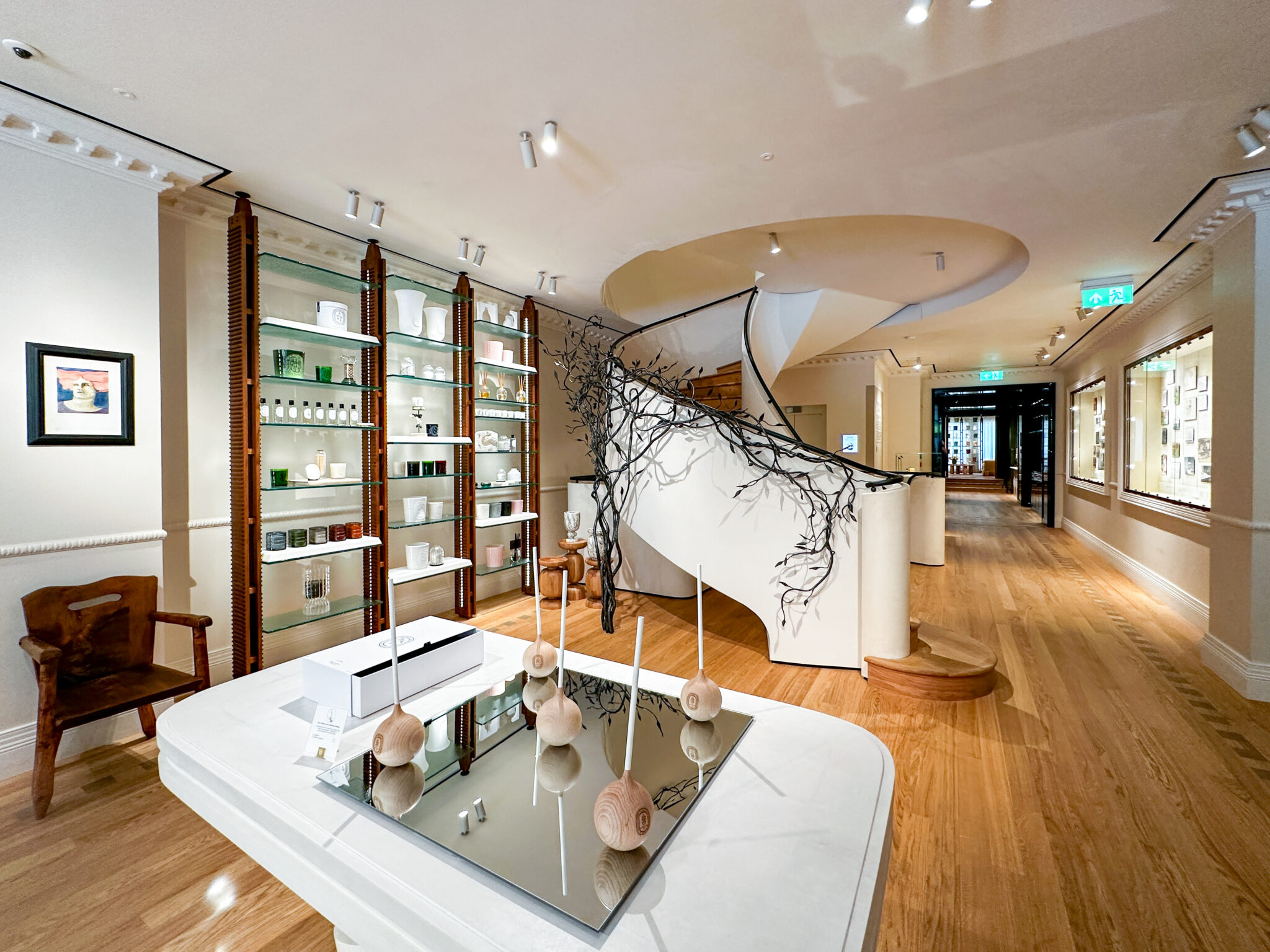
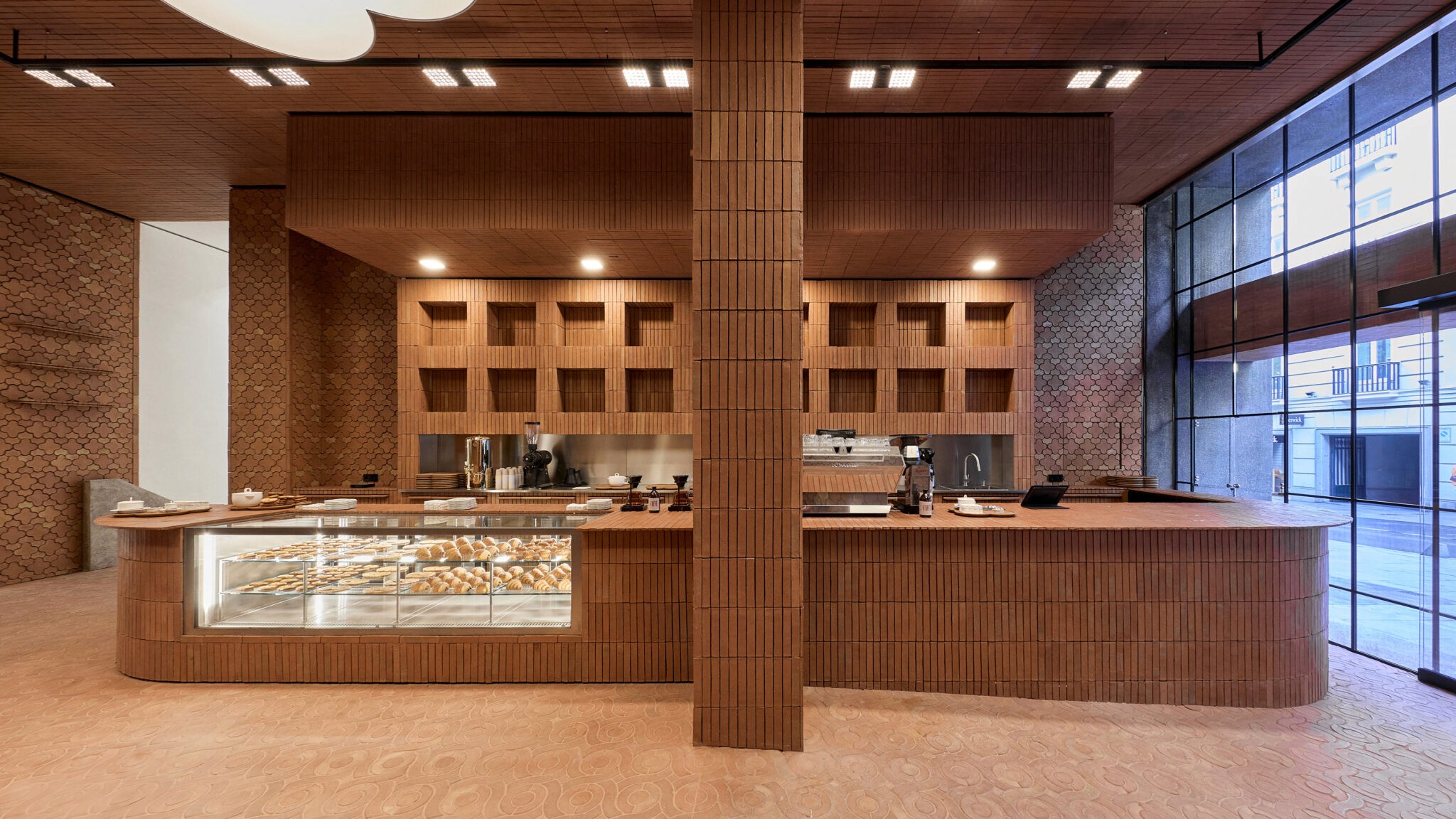
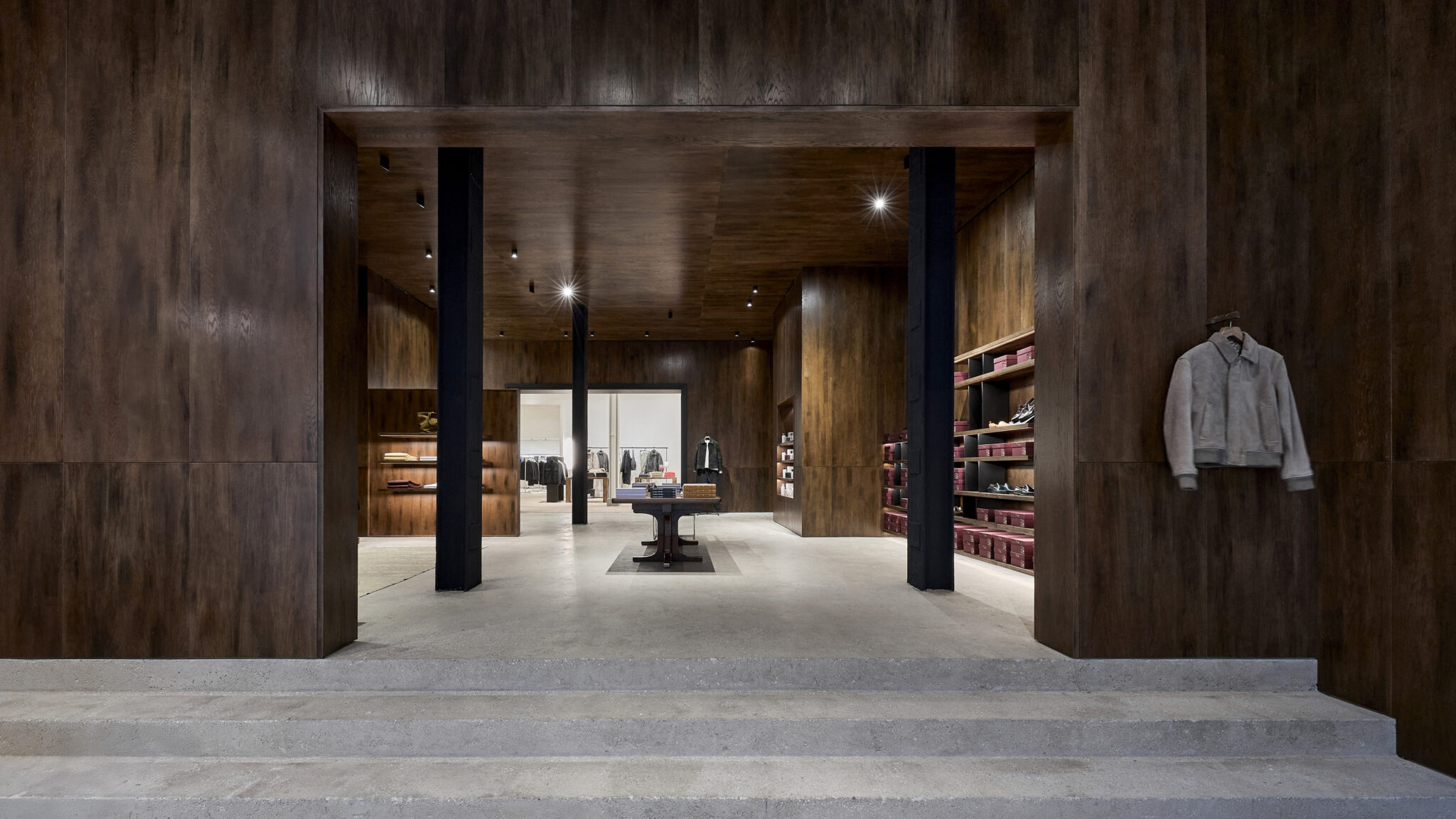
Images featured in this article reference recent retail environments we have been following: Maison Diptyque, New Bond Street London; Zara Man, Calle Hermosilla Madrid; and Crate & Barrel, Flatiron New York.
subscribe for monthly insights
RELATED ARTICLES
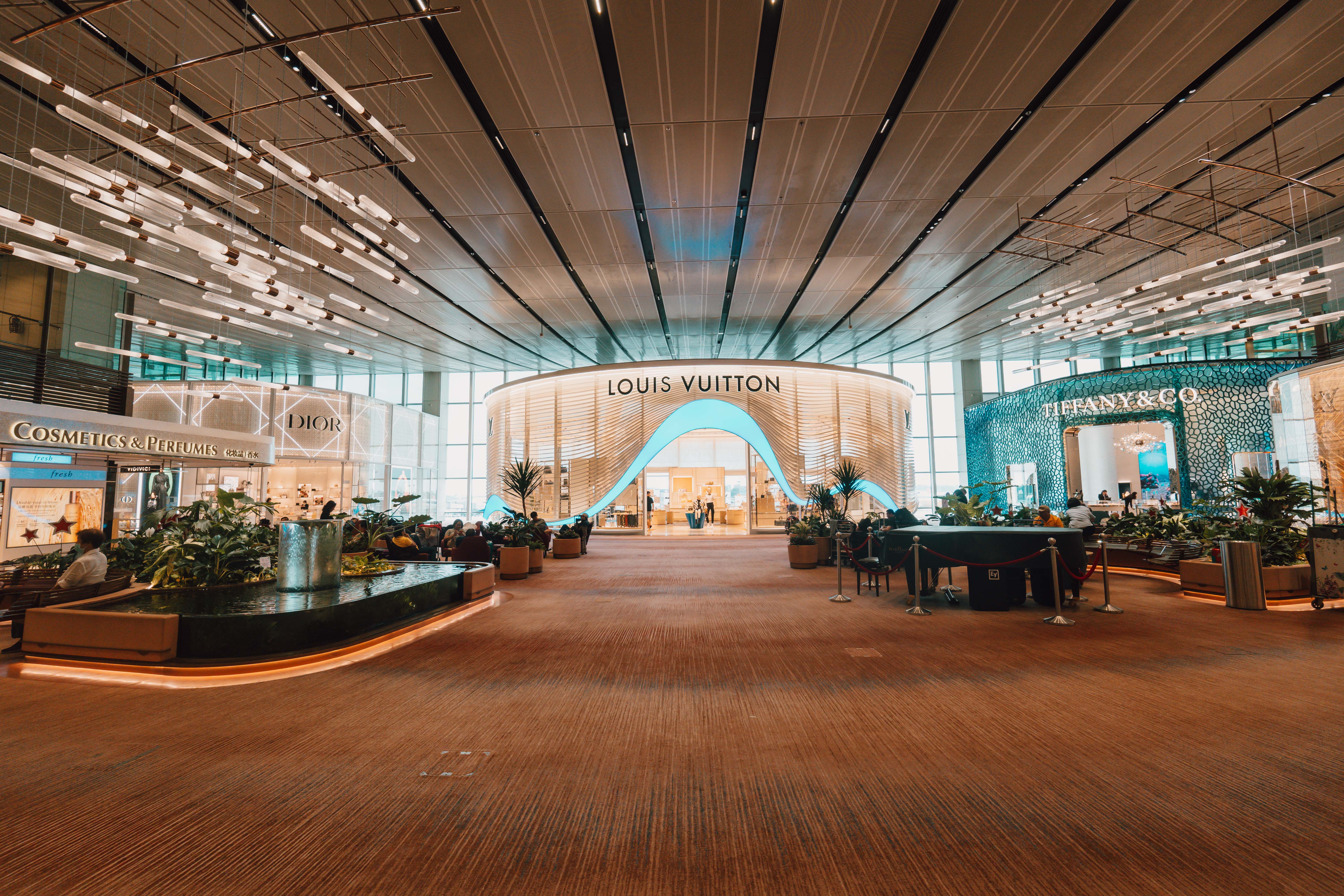
Travel Retail Reimagined: Why Airport Spaces Are Becoming Brand-Defining Moments
Travel retail is no longer just an airport category, it has become one of the most strategically complex and high-value environments in global luxury.
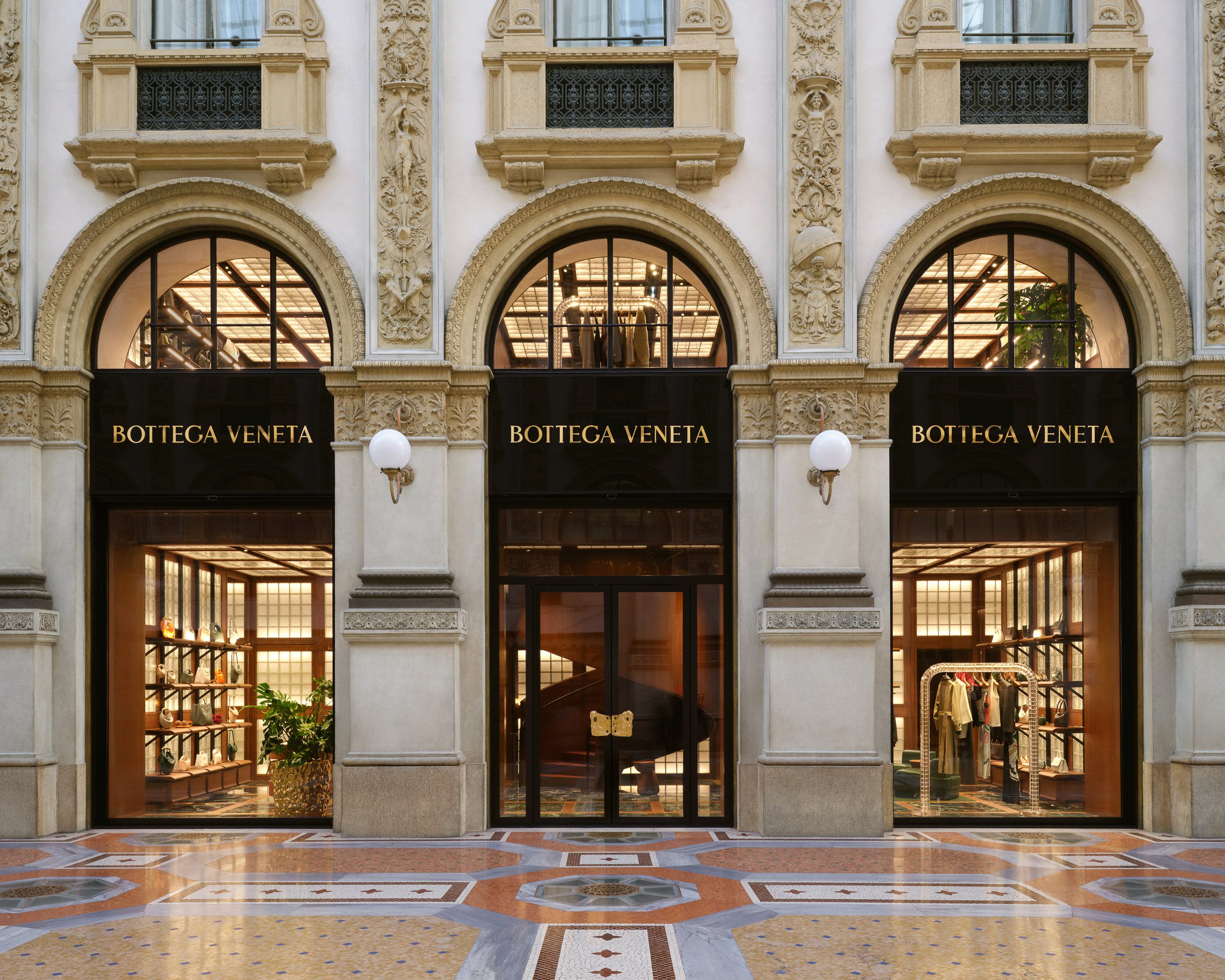
Lighting Is a Commercial Decision, Not a Creative One
Lighting is the most commercially underused tool in retail design. Brands that bring it into the brief early, and define it in terms of customer behaviour rather than technical specification, consistently outperform those that treat it as a finishing decision.
Strategy Before Structure
The strongest retail environments are built on strategic clarity, not aesthetic instinct.