Updated

written by
Freddie Sheridan
With over 15 years in the retail design industry, Freddie has a passion for transforming brand narratives into immersive physical spaces.
The departure lounge used to be an afterthought. Now it is one of the most contested and commercially significant spaces in luxury retail.
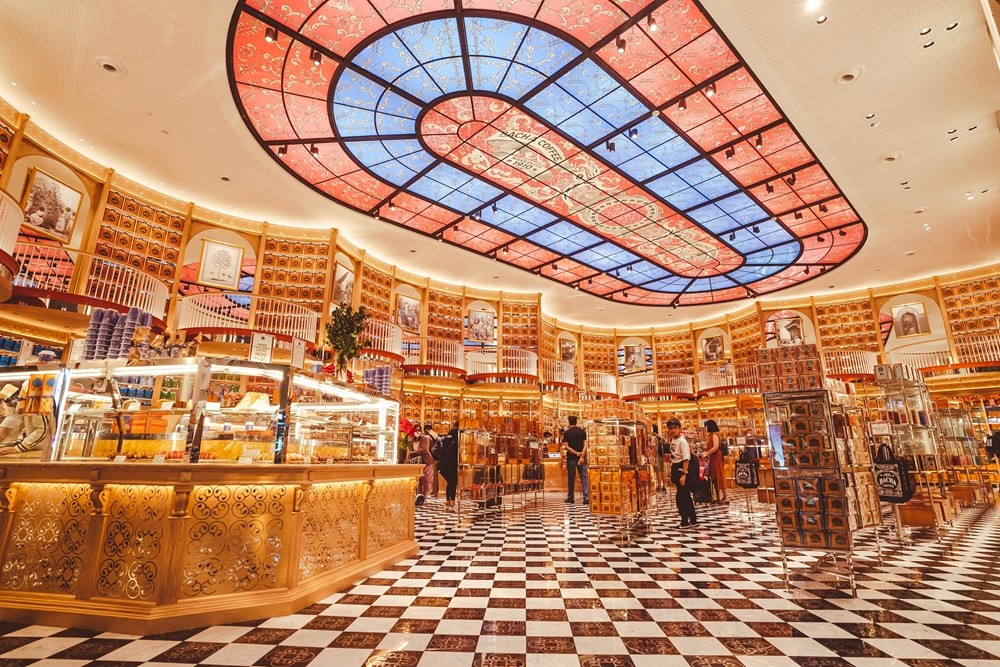
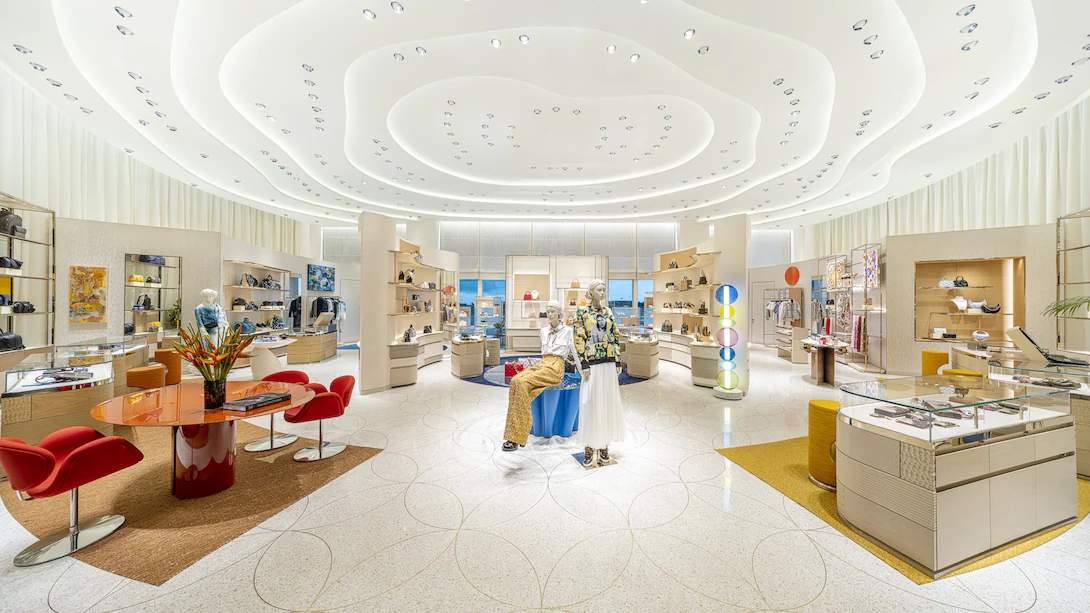
For decades, travel retail operated on a simple formula: captive audience, duty-free margin, high footfall. The design brief was largely functional, get product visible, make the transaction easy, move on. That era is over. Today's global traveller, particularly across the Gulf, Southeast Asia, and the transatlantic corridors that define luxury spend, arrives in the terminal with brand awareness, purchase intent, and in many cases, a screen in their pocket showing them exactly what the same product costs at home. The duty-free advantage alone no longer closes the sale. What closes the sale is experience. This shift has fundamentally changed how we approach travel retail design at SheridanCX. When we develop a travel retail concept, whether for a beauty brand entering Heathrow Terminal 5, a fragrance house expanding through the Middle East, or a fashion label opening its first airport concession, the question is no longer how do we fit the most product into this space. The question is: what does the brand need to feel like at this moment, for this customer, in transit between one world and another? The answer almost always involves storytelling architecture, a clear spatial hierarchy that moves the customer from recognition to engagement to transaction without ever feeling commercial. The best travel retail spaces we have designed feel less like shops and more like destinations you happened to stumble into at Gate 42.
"A traveller in an airport is in a heightened emotional state. The brands that understand this design for the journey, not just the transaction."
SheridanCX Strategy Team
Designing for the Transient Customer
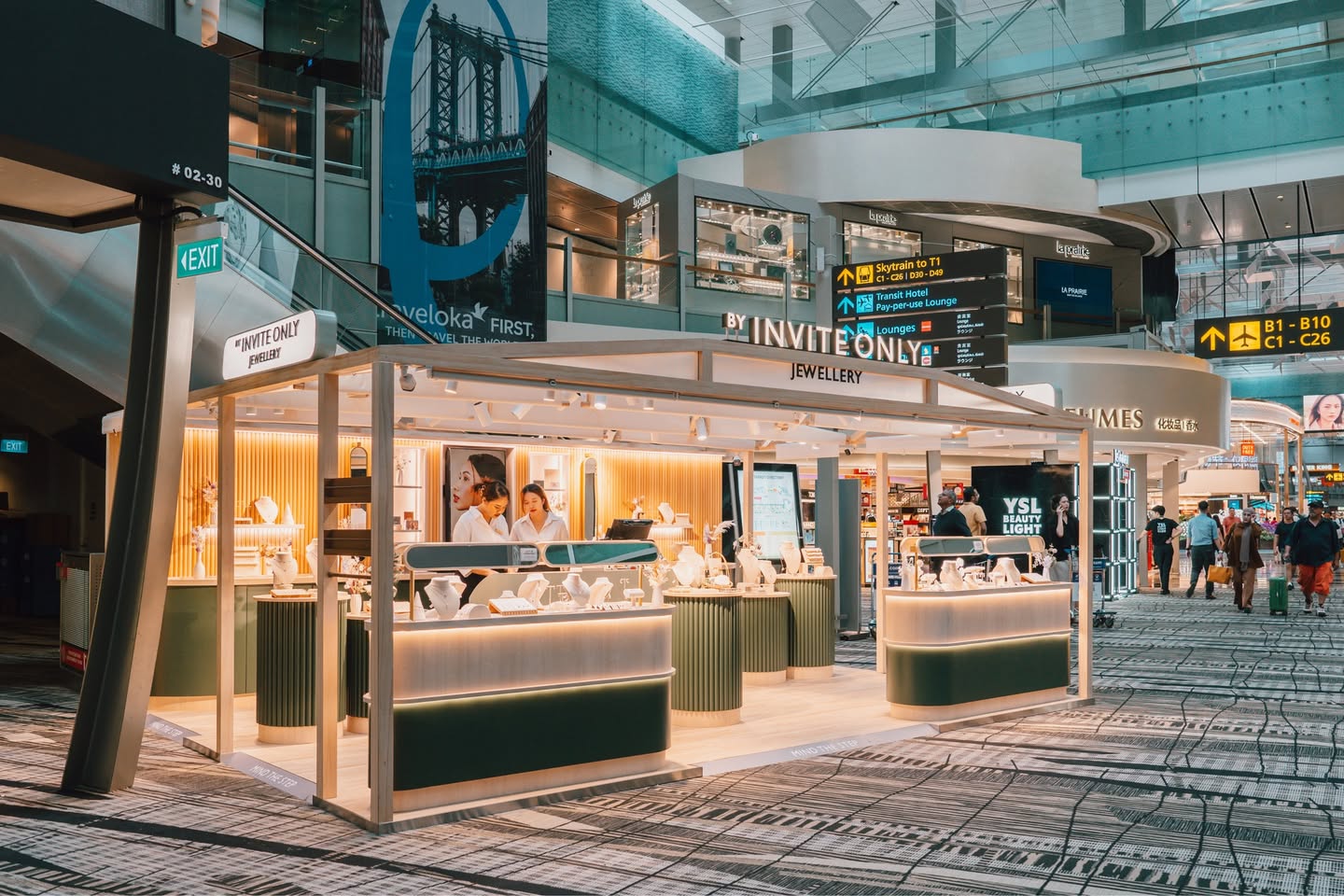
The transient customer presents a specific design challenge: limited time, high intent, and a decision window measured in minutes rather than hours. Fixture systems need to communicate brand hierarchy at a glance. Navigation needs to be intuitive enough to work for someone who has never been in the space before and may never return. And the entire sensory experience, from material choices to lighting temperature to scent, needs to do in three minutes what a flagship might take thirty to achieve.
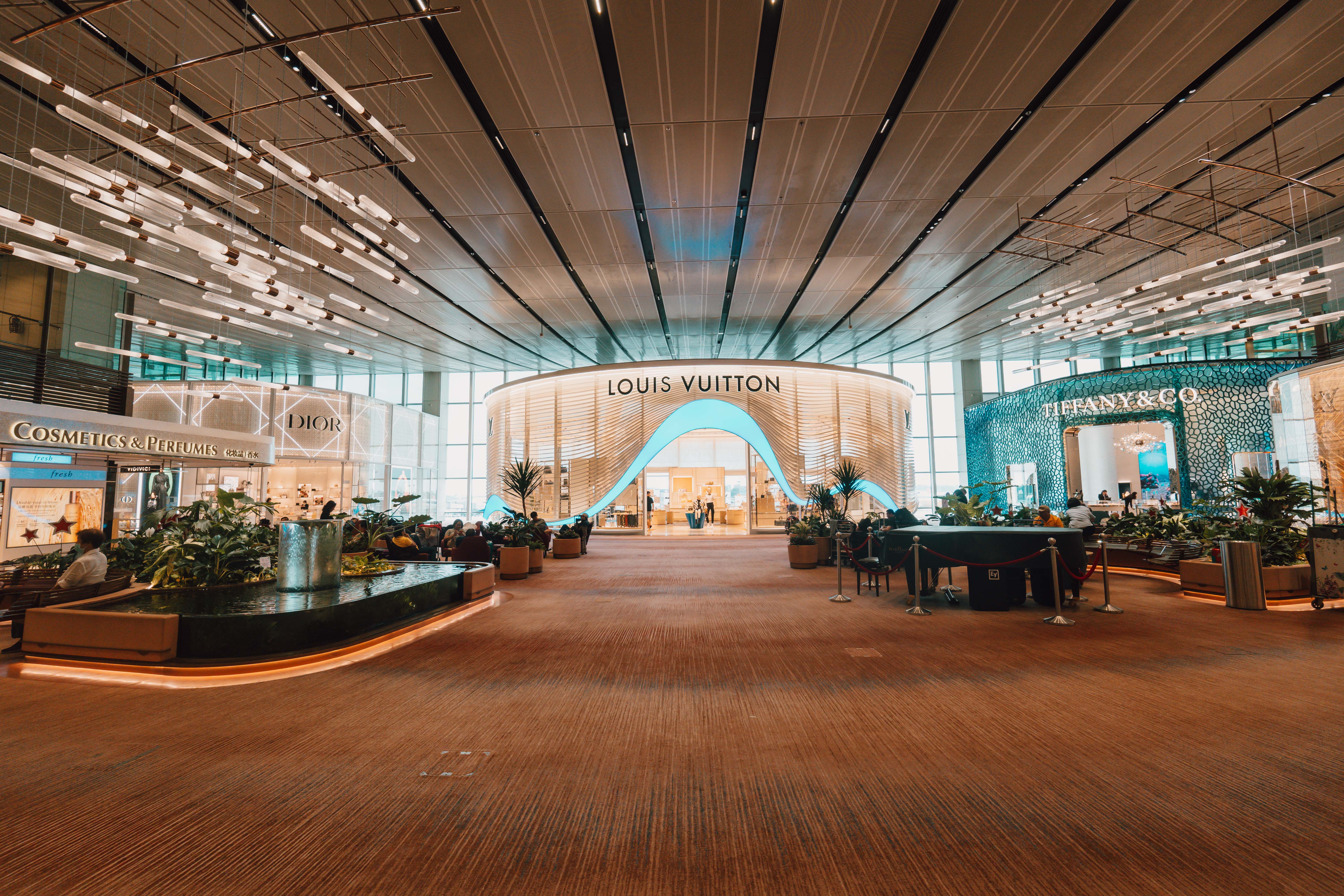
Changi Airport is the clearest working example of this thinking applied at scale. The environment is designed to slow people down, move them through distinct sensory zones, and build emotional engagement before a single brand interaction begins. The commercial result speaks for itself.
In 2026, we are also seeing travel retail become a strategic testing ground. Brands are using airport concessions to preview new product lines, trial new visual merchandising systems, and gather behavioural data on international customer segments before committing to permanent retail investment. For a brand entering a new global market, an airport concession is often the smartest first move. For those already established, it is an opportunity to remind a global audience why they chose you in the first place. At SheridanCX, our experience across travel retail, from concept strategy through to installation and rollout, means we understand both the commercial logic and the creative opportunity. It is one of the most demanding environments in retail design. And in our experience, the most rewarding.
If you are reviewing your travel retail presence or planning your next airport concept, we would like to talk. Contact us.
subscribe for monthly insights
RELATED ARTICLES
Travel Retail Reimagined: Why Airport Spaces Are Becoming Brand-Defining Moments
Travel retail is no longer just an airport category, it has become one of the most strategically complex and high-value environments in global luxury.
Lighting Is a Commercial Decision, Not a Creative One
Lighting is the most commercially underused tool in retail design. Brands that bring it into the brief early, and define it in terms of customer behaviour rather than technical specification, consistently outperform those that treat it as a finishing decision.
Strategy Before Structure
The strongest retail environments are built on strategic clarity, not aesthetic instinct.